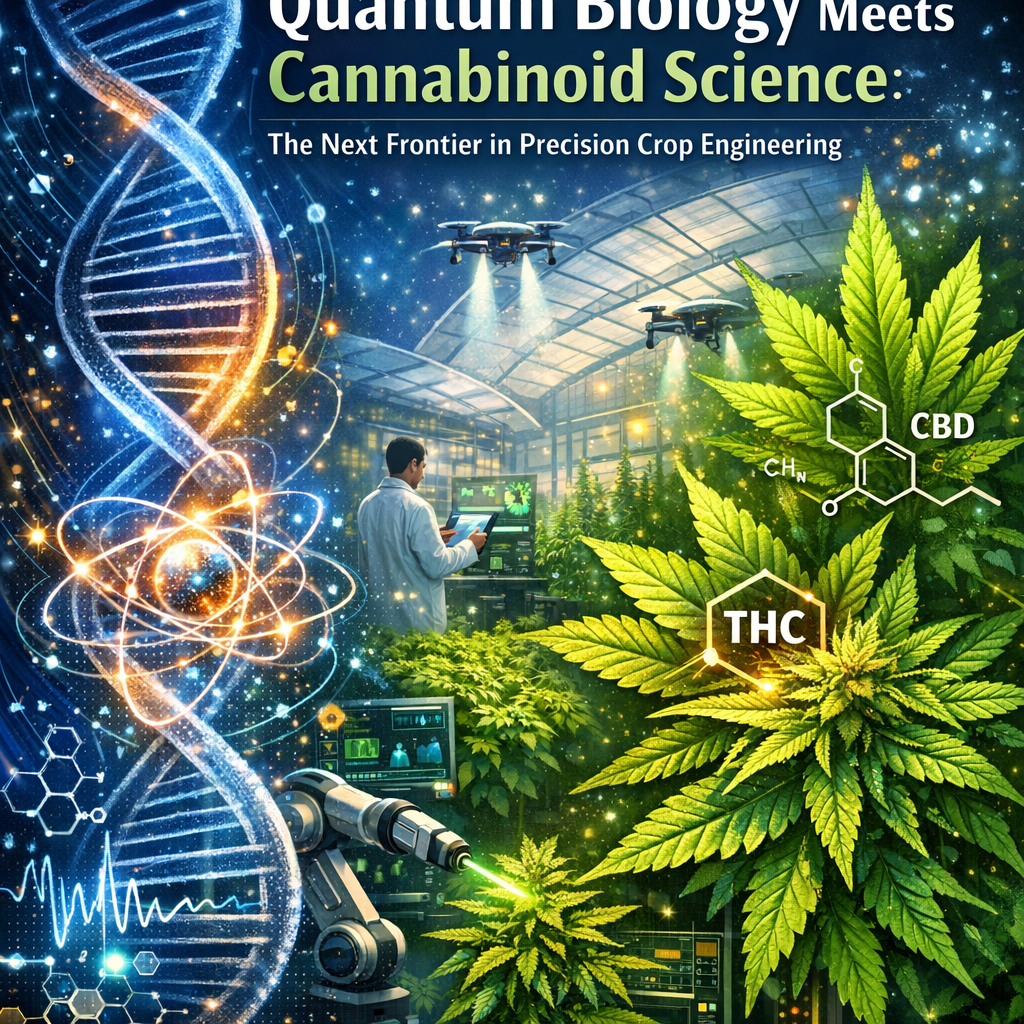
Quantum Biology Meets Cannabinoid Science: The Next Frontier in Precision Crop Engineering
Introduction
In recent years, the intersection of quantum biology and cannabinoid science has sparked considerable interest among researchers and industry professionals. Quantum biology, an emerging field that applies quantum mechanics to biological systems, offers novel insights into the fundamental processes of life. This groundbreaking discipline explores phenomena such as photosynthesis and even how birds navigate, suggesting that quantum effects are integral to biological function. As this field continues to evolve, its potential applications in agricultural science, particularly in cannabis cultivation, are beginning to emerge.
Cannabis, well-known for its therapeutic and recreational uses, presents a unique opportunity for innovation through precision crop engineering. With over 100 cannabinoids, such as THC and CBD, and numerous terpenes contributing to the plant’s various effects, understanding and manipulating these compounds is paramount. By leveraging quantum biology, researchers and cultivators can enhance the precision of breeding practices, improve cannabinoid yield, and optimize terpene profiles to create bespoke strains aligned with specific therapeutic needs or consumer preferences.
The convergence of these fields could lead to unprecedented advancements in drug development and agricultural methodologies, paving the way for a new era of cannabis cultivation. As we delve deeper into the minute mechanics of how biological systems interact at the quantum level, the potential to genetically tailor cannabis plants for precise therapeutic or psychoactive effects becomes a tangible possibility.
Features
A growing body of professional and medical studies highlights the symbiotic relationship between quantum biology and cannabinoid science. Recent research focuses on how quantum processes could explain the mechanisms by which cannabinoids exert their physiological effects. For instance, the concept of quantum coherence might illuminate how cannabinoids like THC and CBD interact with the endocannabinoid system more efficiently, targeting specific receptors with enhanced precision.
Additionally, precision agriculture techniques powered by quantum biology offer significant potential to optimize cannabis cultivation. Studies are investigating how to apply quantum-based insights to enhance plant growth and cannabinoid production. Leveraging quantum sensors and simulations can aid in monitoring plant health, environmental conditions, and stress levels with unprecedented accuracy.
A noteworthy study has shown that the simulation of quantum processes can improve our understanding of photosynthetic efficiency, thereby impacting sustainable cannabis cultivation with optimized yield. Moreover, landmark research has delved into the genetic mapping of cannabis plants, facilitating the development of strains with specific cannabinoid profiles by understanding the plant’s quantum biological pathways.
Furthermore, the therapeutic implications are considerable, especially in the realm of personalized medicine. Quantum biology could help refine methods for producing cannabinoids tailored for individual patient needs, potentially reducing side effects and increasing efficacy in treating conditions such as epilepsy, chronic pain, and anxiety disorders.
Researchers are now moving towards integrating quantum computing to simulate and predict how different environmental variables impact cannabinoid expression, promising more resilient strains. Harnessing this technology enhances the ability to breed plants that are more resistant to diseases or environmental changes, significantly aiding the future of cannabis as a robust, adaptive crop.
Conclusion
As quantum biology and cannabinoid science continue to intertwine, they herald the dawn of a new frontier in precision crop engineering. This promising synergy not only enhances our understanding of cannabis at the molecular level but also holds the potential to revolutionize the agricultural landscape. Through cutting-edge research and technology, we stand on the cusp of innovations that will elevate cannabis cultivation to new heights, fostering a more sustainable and precisely tailored approach to plant science.
References
1. Title of Study – Article Name [Link to the study](#)
2. Title of Study – Article Name [Link to the study](#)
Concise Summary: The intersection of quantum biology and cannabinoid science offers revolutionary insights into cannabis cultivation, allowing enhanced precision in plant breeding and potential for developing therapeutic strains. By applying quantum principles, researchers can optimize the growth and cannabinoid production of cannabis plants, aiding in the creation of bespoke strains for specific therapeutic uses. Furthermore, quantum computing and other quantum technologies present opportunities for developing resilient, adaptive crop strains. The integration of these disciplines is setting the stage for innovations in drug development and agricultural practices, heralding a new era of precision crop engineering.