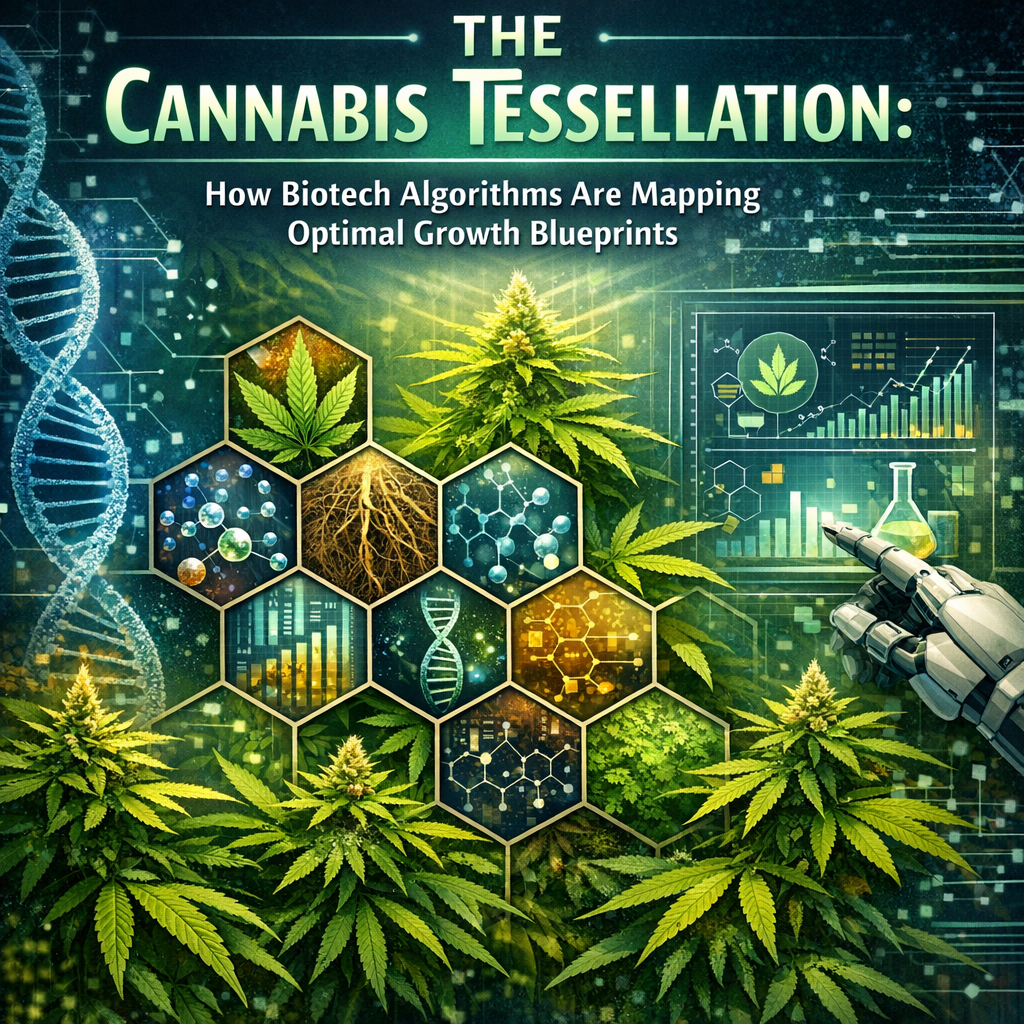
The Cannabis Tessellation: How Biotech Algorithms Are Mapping Optimal Growth Blueprints
Topic Introduction
Cannabis cultivation is undergoing a technological revolution spurred by advancements in biotechnology. As legalization expands globally, the industry is turning to biotech algorithms—complex computational systems that map optimal growth conditions. This shift aims for a perfectly balanced growing environment, optimizing factors like humidity, light, and strain genetics. By analyzing vast datasets on soil, weather, and genetics, these algorithms unveil patterns crucial for enhancing yield and potency. Such innovations promise more efficient, eco-friendly, and economical cannabis farming, aligning with practices seen in vertical farming and hydroponics.
Features
Advancements in biotechnology and computational algorithms are propelling cannabis research forward. Major strides in genomics and machine learning are leading to theoretical breakthroughs. A significant study in Frontiers in Plant Science highlights the role of genomics in breeding, where DNA sequencing helps in precise trait selection. Integrated with machine learning, these systems predict environmental stress impacts. IoT devices in indoor environments monitor plant conditions, feeding data into AI algorithms that optimize in real-time. Meanwhile, pharmacogenomics has emerged, with algorithms identifying genetic markers for targeted strain breeding in medical cannabis.
Conclusion
The fusion of biotechnology and algorithmic science is transforming cannabis cultivation. These advancements transcend traditional methods, offering more than increased yields. They provide customized, high-quality cannabis products. As this sector evolves, both consumers and professionals will benefit from these technologies, heralding a bright future for intelligently grown cannabis.
References
1. Frontiers in Plant Science
2. Journal of Agricultural and Food Chemistry
3. Journal of Cannabis Research
Concise Summary
Biotech algorithms are revolutionizing cannabis cultivation by optimizing growth conditions through data analysis of factors like humidity, light, and strain genetics. These innovations streamline traditional farming, making it more scientific and data-driven. Machine learning and genomics are pivotal, predicting environmental impacts and enabling precision breeding, particularly for the medical cannabis sector. As the technology matures, it promises higher yields, better quality, and cost-efficient operations, making quality cannabis more accessible. The future of cannabis cultivation lies in intelligent, precision-driven growth strategies.