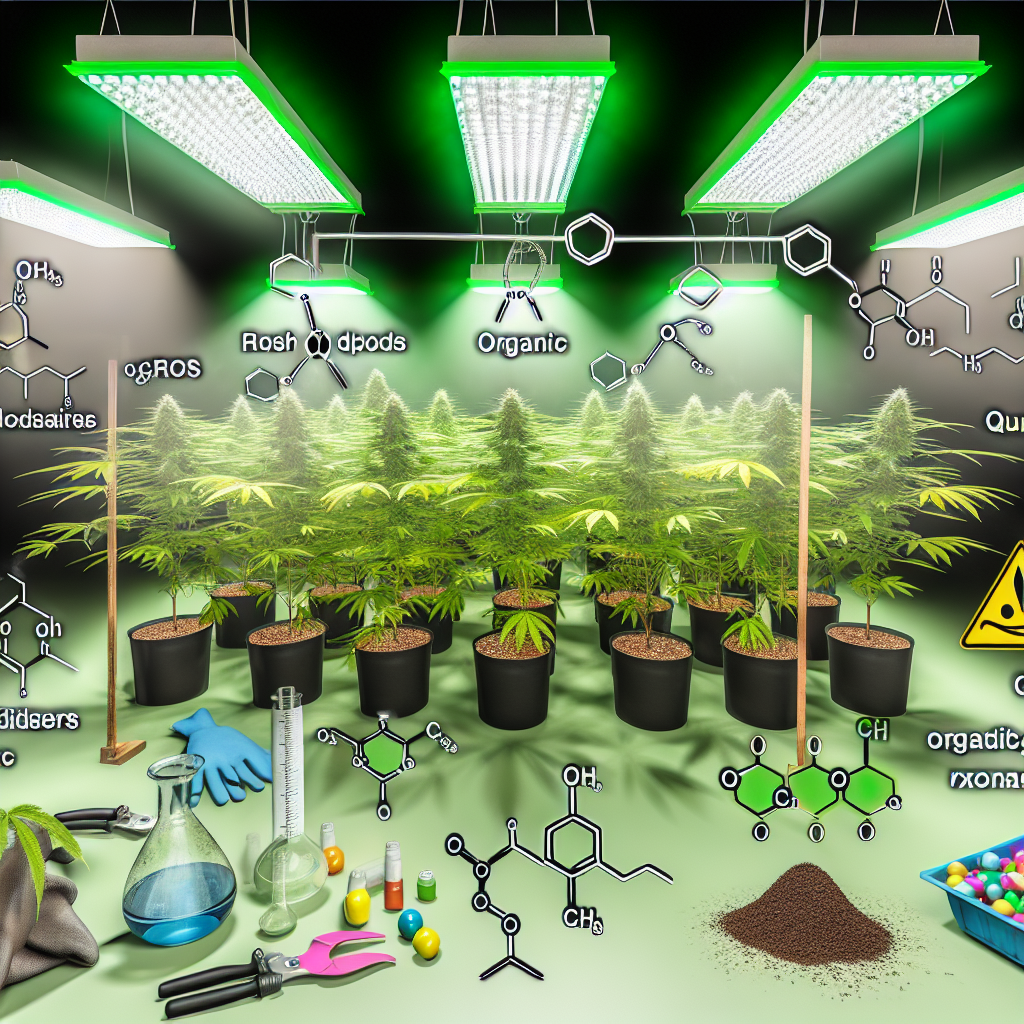
Unlocking the Epigenetic Secrets of Cannabis: How Gene Expression Could Revolutionize Next-Gen Strains
Introduction
The world of cannabis cultivation and consumption is on the brink of a revolution, driven by the innovative field of epigenetics. While traditional genetics focuses on hereditary information encoded in DNA, epigenetics explores how environmental factors like stress, diet, and substance exposure can influence gene expression without altering the DNA sequence. This field is unlocking new possibilities by offering profound implications for developing next-generation cannabis strains, surpassing the limitations of traditional breeding.
Understanding gene expression in cannabis could lead to strains with tailored characteristics, such as enhanced therapeutic benefits, higher yield, or optimized profiles for different growing conditions. By studying the epigenetic markers in cannabis plants, researchers are beginning to understand what turns certain genes on or off, affecting the plant’s chemical profile. This could pave the way for custom-designed strains for medical applications or recreational experiences that minimize anxiety or paranoia.
In an era where personalized medicine is becoming the norm, cannabis’s potential to be tailored at a genetic level represents an exciting frontier. The prospects extend beyond creating superior strains to environmental sustainability by developing plants that require fewer resources and are resistant to diseases and pests. As we delve deeper into the realm of cannabis epigenetics, the possibilities are as vast and varied as the strains themselves.
Features
Recent scientific research is shedding light on the role of epigenetics in cannabis. A 2020 study by a research team at the University of Toronto demonstrated how certain environmental conditions impact DNA methylation patterns in cannabis. This research presents the possibility of “locking in” desirable traits by having them transcribed more readily in response to environmental cues.
Moreover, a groundbreaking study in 2021 led by scientists at the Hebrew University in Jerusalem explored the cannabis plant’s epigenomic landscape. The research provided insights into the genetic underpinnings responsible for producing specific cannabinoids and terpenes. This study makes strides toward understanding how epigenetic modifications can be inherited, providing a framework for understanding how gene expression impacts physiological traits.
These studies underscore the potential to develop strains with increased medicinal efficacy, particularly by fine-tuning the expression of genes involved in the biosynthesis of CBD. This could lead to variants of the cannabinoid that are more effective at lower doses, enhancing their therapeutic value for conditions such as epilepsy, anxiety, and inflammation.
Furthermore, epigenetics presents opportunities beyond improving cannabinoid profiles. The expression of secondary metabolites, contributing to cannabis’s aroma and flavor, could be epigenetically controlled, enabling the cultivation of strains with unique sensory characteristics.
Conclusion
The exploration of epigenetic mechanisms in cannabis represents a promising frontier in agrifarmer and medical applications. With the ability to influence gene expression, we are on the cusp of a new era of strain development promising customized, tailor-made cannabis plants for consumer and environmental needs. As research progresses, the full potential of epigenetics in cannabis will likely continue to be unveiled, reshaping the future of this multifaceted plant.
Concise Summary
The field of epigenetics is set to revolutionize cannabis cultivation by allowing for precise control over gene expression. This enables the development of custom strains with specific therapeutic benefits and environmental resilience. Recent studies have demonstrated how environmental factors impact DNA methylation in cannabis, indicating potential for strains enhanced for medicinal and recreational use. Ultimately, epigenetics promises to transform cannabis into personalized medicine, catering to specific consumer needs and ecological sustainability.
References
1. [Cannabis methylation study](https://journals.plos.org/plosone/article?id=10.1371/journal.pone.0232575)
2. [Epigenomic landscape in cannabis](https://genomebiology.biomedcentral.com/articles/10.1186/s13059-021-02446-4)