Beyond THC: Unlocking the Full Potential of Terpene Bioengineering in Cannabis Excellence
Introduction
The world of *cannabis* has long orbited around tetrahydrocannabinol (THC), the enchanting compound responsible for the plant’s psychoactive effects. However, as our understanding of cannabis deepens, a new hero is emerging on the scene: terpenes. While THC and cannabidiol (CBD) have dominated discussions for their therapeutic potential, terpenes, the aromatic compounds found in a multitude of plants, are gaining attention for their unique contributions to the cannabis experience. From affecting flavor profiles and aromas to influencing therapeutic benefits, terpenes are a crucial component of the cannabis plant that has historically been overshadowed.
Terpenes are organic hydrocarbons found in numerous plants and are responsible for their fragrant essence. In cannabis, over 100 different terpenes have been identified, ranging from the citrusy limonene to the earthy myrcene. These compounds not only contribute to the sensory profile of cannabis but also interact with cannabinoids in what is known as the entourage effect, enhancing and modulating their effects. As the cannabis industry evolves, the bioengineering of terpenes stands as the frontier of innovation, promising to unlock a hitherto untapped reservoir of possibilities.
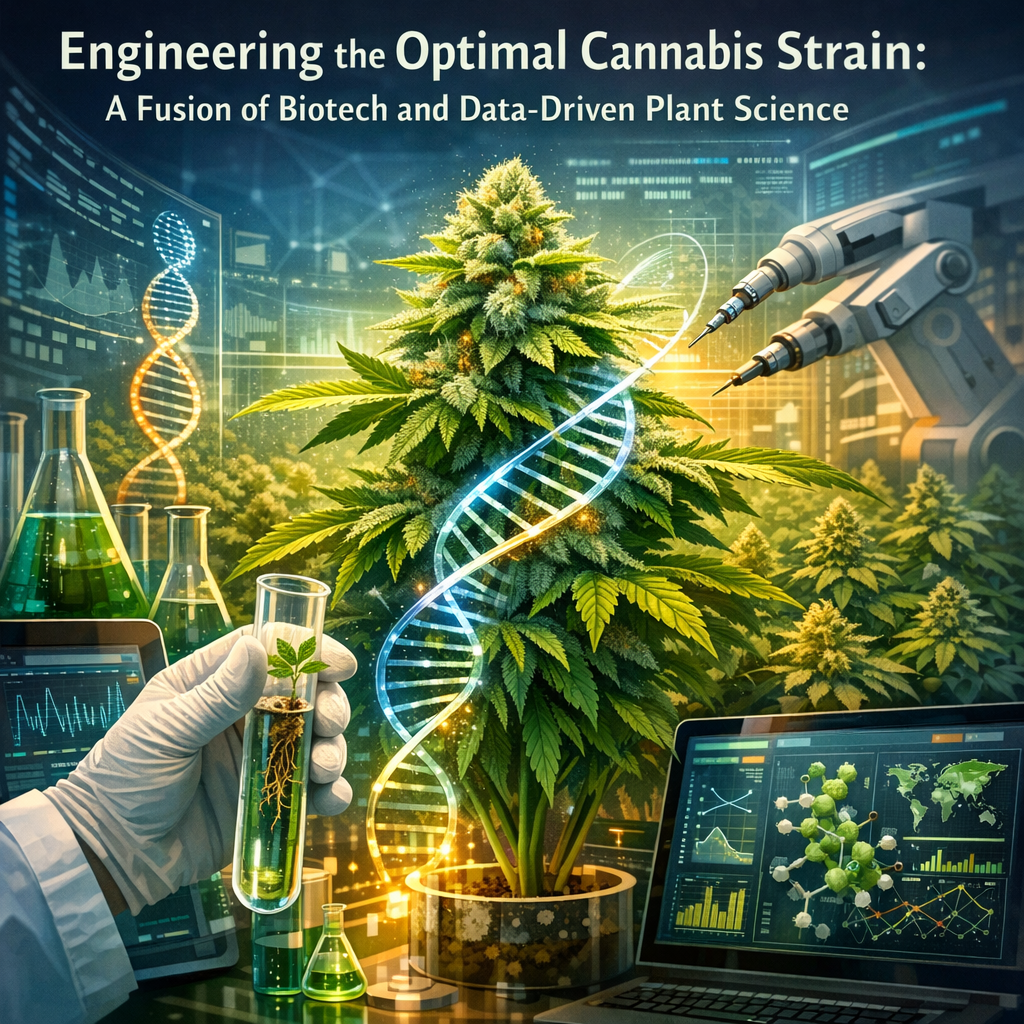
Bioengineering terpenes involves manipulating the genetic and environmental factors to either enhance existing terpene profiles or create entirely new combinations. This level of precision can tailor the cannabis experience to specific needs, whether medical or recreational. For cannabis growers and product developers, this means the potential to create strains with customized therapeutic benefits or unique flavor profiles that distinguish them in a crowded market.
Moreover, consumers are increasingly interested in more than just high THC levels; they seek products that offer a balanced and enriched experience. This demand is propelling research into terpene bioengineering, driving the industry towards a more sophisticated understanding of how these volatile compounds can be optimized. As we look beyond THC, integrating advances in bioengineering with an ancient plant heralds a new era of cannabis excellence that meets the nuanced needs of modern consumers.
Features
Recent studies have shined a spotlight on the transformative potential of terpene bioengineering. A pivotal study published in Nature Communications explored the metabolic pathways of terpene biosynthesis in Cannabis sativa. This research underscores the complexity of terpene production and the multitude of genes involved in facilitating the array of aromatic and therapeutic expressions found in cannabis. By mapping these pathways, scientists can identify key enzymes and genetic switches that may be targets for bioengineering efforts.
Further supporting this burgeoning field are studies done on the entourage effect. A 2018 study published in Frontiers in Neurology examined the interactive effects of cannabinoids and terpenes, particularly focusing on how terpenes can enhance the anti-inflammatory effects of CBD. This adds substantial weight to the argument that crafting specific terpene profiles can enhance or modulate the effects of cannabinoids, thus broadening the scope of medical applications for cannabis products.
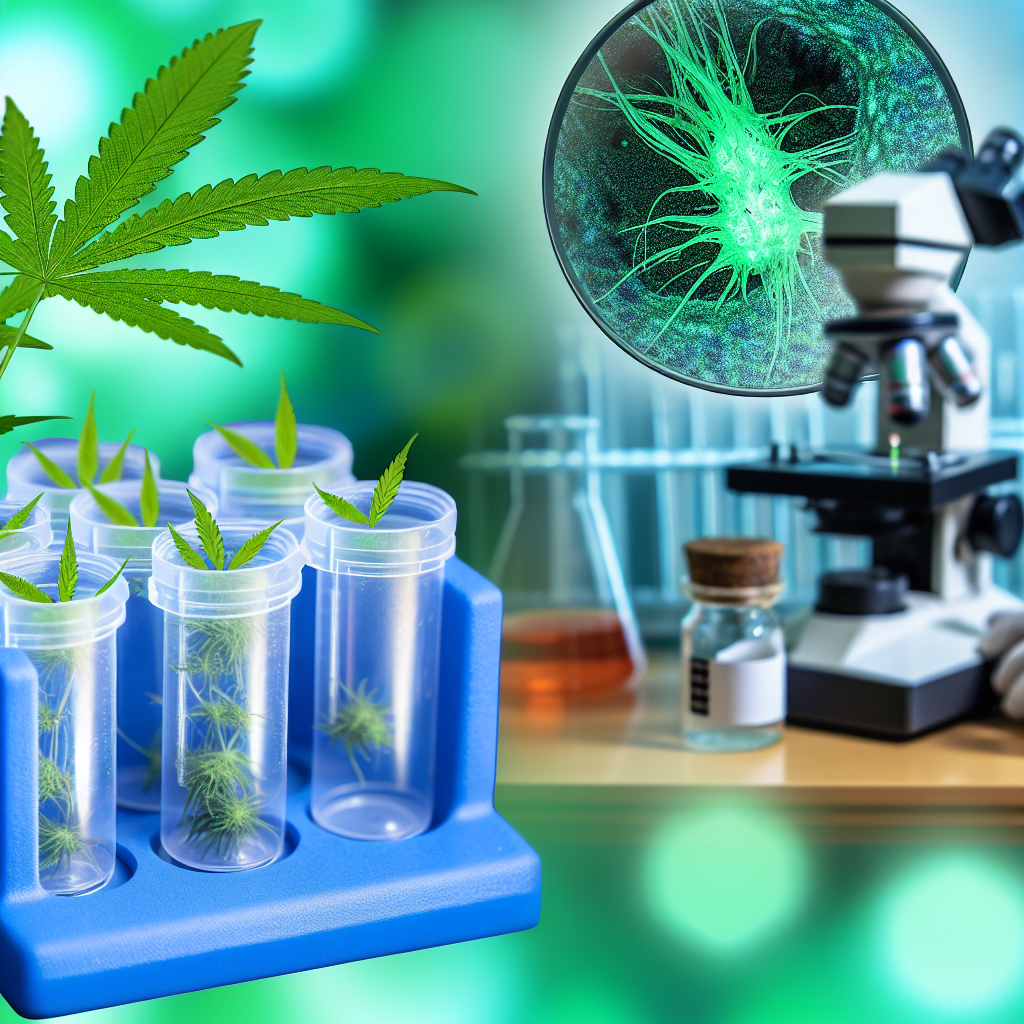
From a bioengineering standpoint, innovations are already unfolding in laboratories around the world. Researchers are experimenting with CRISPR technology to modify the expression of terpene genes in cannabis plants. For instance, a team at the University of California, Berkeley, is working to tweak these pathways to increase the yield of specific terpenes, promising more efficient and targeted results. These efforts are laying the groundwork for future cannabis products that can be tailored at a molecular level for desired effects and flavors.
In tandem, microbial engineering is being explored as a method to produce terpenes without the need for traditional plant cultivation. *Yeast* and bacteria are being programmed to biosynthesize terpenes, providing scalable alternatives for producing these valuable compounds. This has the dual benefit of supplementing plant production and potentially lowering the environmental impact of traditional farming practices. Studies from institutions like the Massachusetts Institute of Technology highlight this promise, showing how yeast can be engineered to produce complex terpene structures.
Conclusion
As we venture beyond THC and continue to unlock the complex tapestry of terpenes, the future of cannabis excellence is poised for reinvention. Terpene bioengineering offers not only a deeper understanding but also the tools to craft a more personalized and sustainable cannabis experience. Whether for medicinal purposes, recreational enjoyment, or environmental considerations, the ripples of terpene innovation are set to reshape the cannabis industry, guiding it toward a more nuanced and sophisticated horizon.
Concise Summary
The burgeoning field of terpene bioengineering in cannabis explores beyond THC’s psychoactive effects, emphasizing terpenes’ aroma, flavor, and therapeutic benefits. Terpenes combined with cannabinoids enhance the *entourage effect*. Bioengineering allows for precise creation of desirable terpene profiles, meeting consumer demands for balanced cannabis experiences. Studies show how gene editing and microbial engineering can produce desired terpenes for unique effects. As the cannabis industry evolves, terpene bioengineering will shape a sophisticated and personalized future with medical, recreational, and environmental benefits.