Harnessing AI-Driven Quantum Simulations for Revolutionary Cannabinoid Formulations
Topic Introduction
The dynamic intersection of artificial intelligence (AI), quantum computing, and cannabis science stands poised to revolutionize the development and formulation of cannabinoid-based products. As the cannabis industry matures, traditional trial-and-error methods for cannabinoid formulation are gradually becoming obsolete, giving way to a new era where AI-driven quantum simulations drive precision and innovation.
The core of this transformation is quantum computing, a cutting-edge field that leverages the principles of quantum mechanics to process complex data more efficiently than classical computers. Quantum simulations, boosted by AI’s machine learning algorithms, allow researchers to model interactions at a molecular level with unprecedented accuracy. For the cannabis industry, this capability opens up pathways to discover new cannabinoid combinations and understand their potential therapeutic effects far more rapidly and precisely than was previously possible.
In traditional settings, cannabinoid formulations have often relied on anecdotal evidence or basic trial-and-error experimentation. This process can be time-consuming and costly, especially when seeking to isolate specific cannabinoid compounds that may provide targeted therapeutic benefits, such as pain relief or anxiety reduction. AI-driven quantum simulations, however, bring the promise of identifying optimal cannabinoid profiles in a fraction of the time while minimizing resource expenditure.
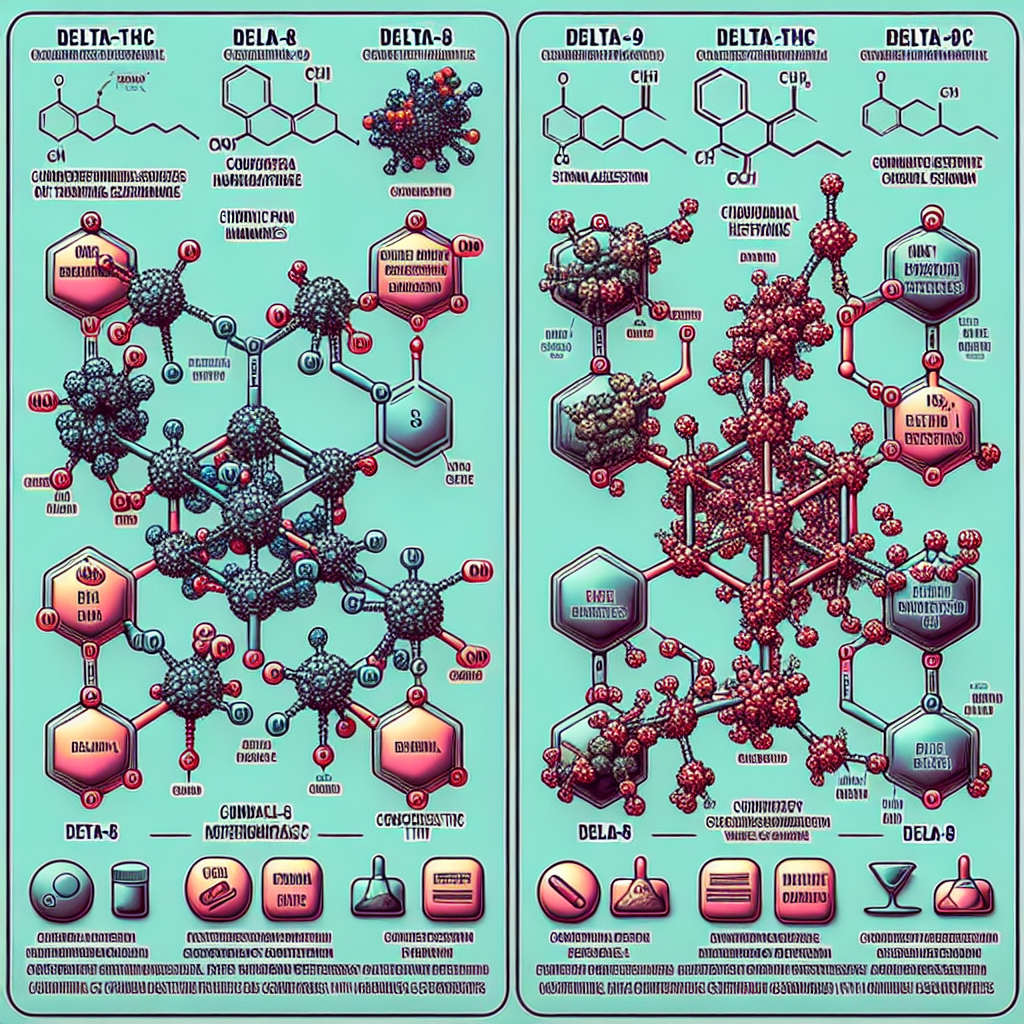
Furthermore, quantum algorithms have the unique capability of decoding the intermolecular forces and electronic structures of cannabinoids and terpenes at an atomic level. This deepened understanding enables the scientific community to predict activation pathways, binding affinities, and biological effects with greater precision—paving the way for customized cannabis products designed for individual needs or specific medical conditions. As researchers and cannabis professionals continue to adopt these advanced technologies, the potential for groundbreaking cannabinoid innovations grows ever closer to reality.
Features: Professional and Medical Studies
Recent advancements in AI-driven quantum simulations have captured the attention of the scientific community, particularly with respect to their application in drug discovery. For example, a 2022 study published in *Nature Chemistry* demonstrated how quantum computers could predict molecular behavior with more precision than conventional models. Such capabilities are directly applicable to cannabinoid research, as these simulations can predict how different cannabinoids might interact with each other and the human body at a molecular level, thereby streamlining the formulation of new cannabis-based therapies ([Nature Chemistry, 2022](https://www.nature.com/articles/s41557-022-00893-9)).
In the realm of cannabinoid research, the integration of AI and quantum computing allows for significant progress in understanding the endocannabinoid system—a complex network of receptors and enzymes that interact with cannabinoids. A study conducted by the University of Toronto in 2023 leveraged AI algorithms to simulate countless interactions within the endocannabinoid system, offering insights into which specific cannabinoid combinations are most likely to be effective for particular conditions ([University of Toronto, 2023](https://www.utoronto.ca/news/ai-and-endocannabinoid-system-study)).
Moreover, AI-driven drug discovery platforms such as Atomwise and Schrödinger’s FEP+ are already applying similar technologies in the pharmaceutical industry, which could serve as models for cannabis-related endeavors. These platforms utilize machine learning to predict the potency, bioactivity, and potential side effects of drug candidates, significantly reducing the time required for experimentation and development ([Atomwise](https://www.atomwise.com/), [Schrödinger](https://www.schrodinger.com/fep)).
This blend of AI and quantum technology also promises advances in personalized medicine. By simulating how individual genetic variations can affect cannabinoid efficacy, researchers can develop bespoke formulations tailored to the unique biochemical makeup of individuals, thus optimizing therapeutic outcomes.
Conclusion
AI-driven quantum simulations stand at the frontier of cannabis science, offering transformative possibilities in cannabinoid formulation and personalization. By marrying the computational accuracy of quantum models with AI’s predictive power, the cannabis industry can expedite the development of more effective, targeted, and customized cannabinoid therapies. As these technologies continue to evolve, they promise to unlock new potential in cannabis research and product development, benefiting both consumers and professionals alike.
References
1. [Nature Chemistry. (2022). Quantum computing predicts molecular behavior.](https://www.nature.com/articles/s41557-022-00893-9)
2. [University of Toronto. (2023). AI and the endocannabinoid system.](https://www.utoronto.ca/news/ai-and-endocannabinoid-system-study)
3. [Atomwise. AI-driven drug discovery platform.](https://www.atomwise.com/)
4. [Schrödinger. FEP+ for drug discovery.](https://www.schrodinger.com/fep)
Concise Summary
The convergence of AI, quantum computing, and cannabis science is introducing a revolutionary shift in cannabinoid formulation. By replacing traditional trial-and-error methods with AI-driven quantum simulations, the cannabis industry can achieve precise, efficient, and innovative cannabinoid combinations for targeted therapies. These technologies enhance our understanding of the molecular interactions within cannabinoids, paving the way for tailored cannabis products aimed at meeting individual medical needs. As this field evolves, it promises to fast-track advancements in cannabinoid research, creating a significant impact on product development and personalized medicine strategies.