Biotechnological Disruption: Harnessing CRISPR for Custom Cannabinoid Profiles in Cannabis Cultivation
The emergence of CRISPR technology has sparked a revolution across genetics and biotechnology, poised to redefine multiple industries, including cannabis cultivation. Traditionally, breeding cannabis relied on selective breeding and hybridization to produce plants with desired characteristics. However, these methods are time-consuming and susceptible to genetic variation. Enter CRISPR, a powerful gene-editing tool offering precision in altering DNA sequences. For the cannabis industry, this means the possibility of engineering custom cannabinoid profiles—tailoring plants to produce specific compounds.
Cannabinoids, including THC (tetrahydrocannabinol) and CBD (cannabidiol), interact with the human body and are responsible for cannabis’s therapeutic effects and psychoactive properties. Over 100 different cannabinoids have been identified, each with unique properties and potential health benefits. Traditional breeding has been limited in its ability to enhance or suppress specific cannabinoids due to genetic linkage and environmental influences. CRISPR offers the capacity to directly and precisely modify genes responsible for cannabinoid synthesis, enabling producers to respond to medical, recreational, and industrial demands with bespoke products.
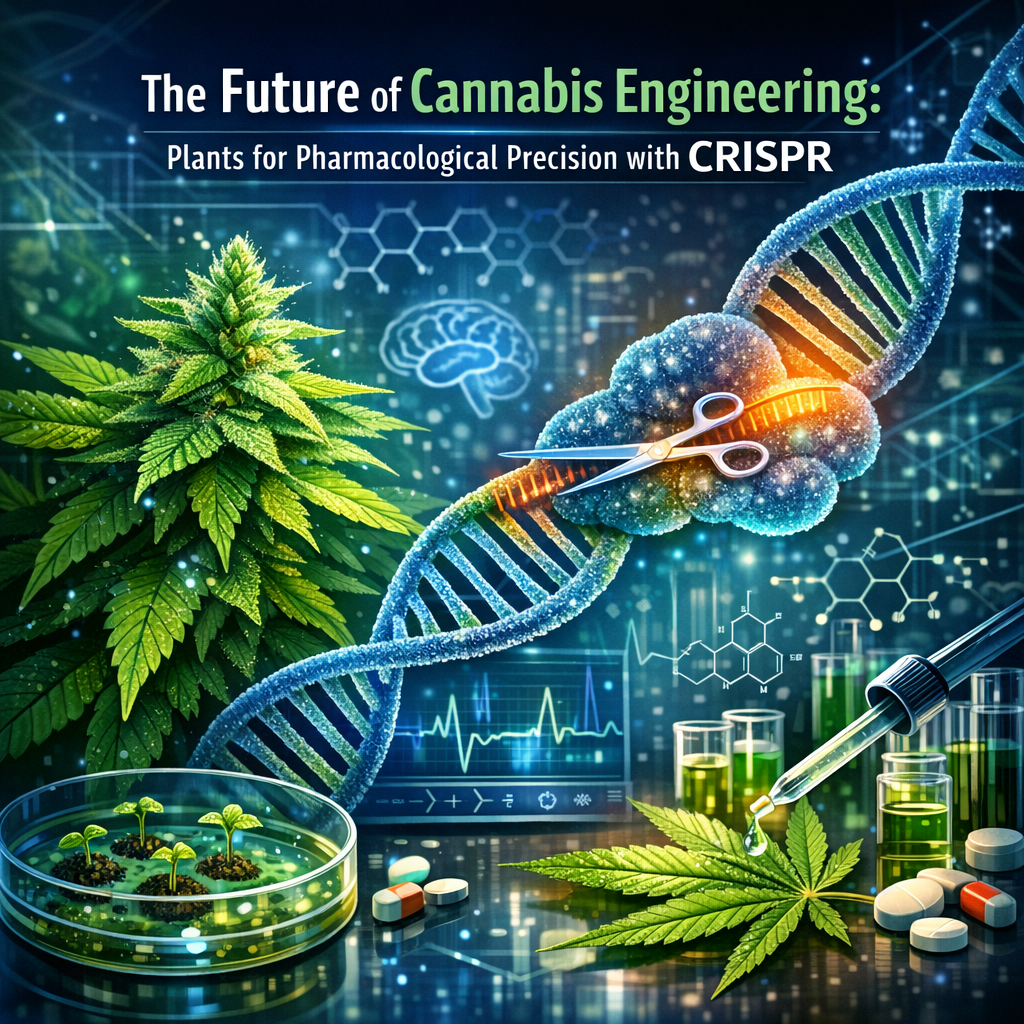
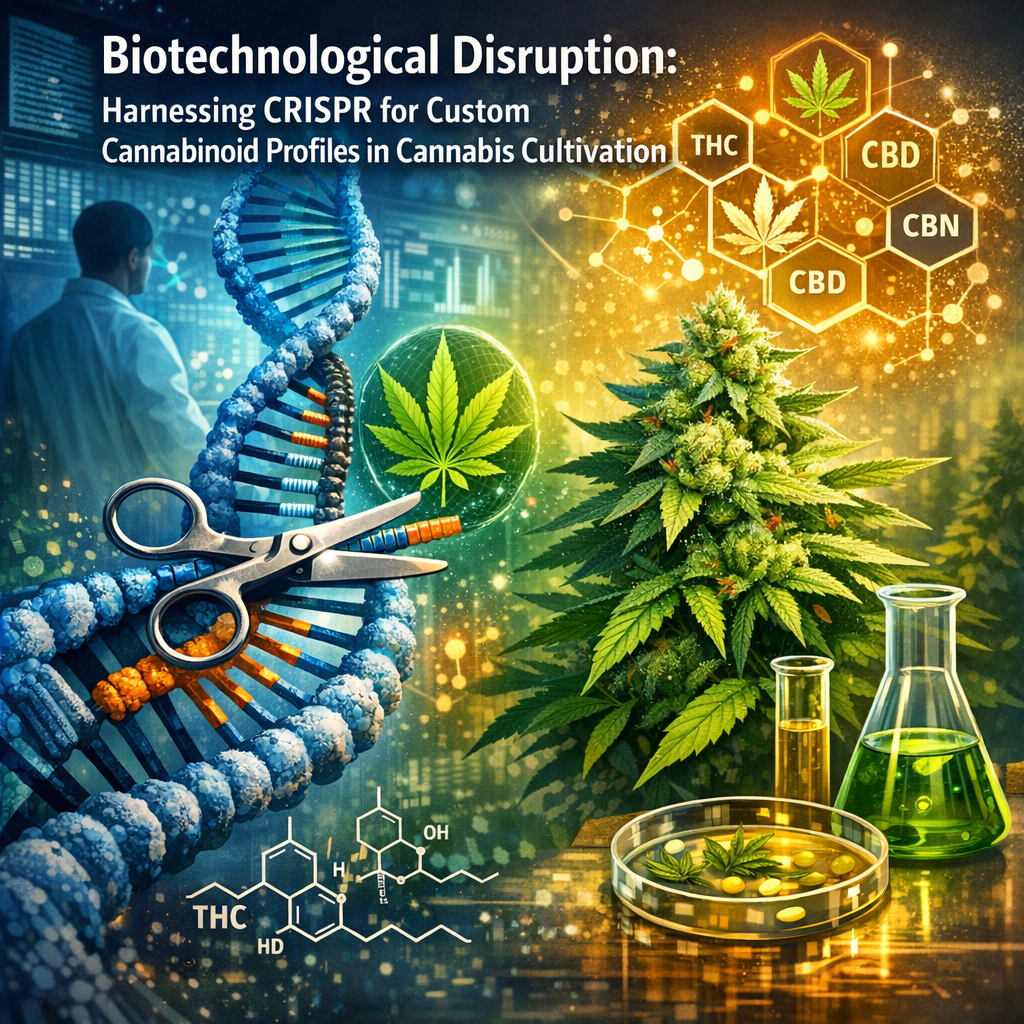
CRISPR, or Clustered Regularly Interspaced Short Palindromic Repeats, functions as a *high-precision molecular scissor* guided by RNA to target and modify specific DNA sequences. In cannabis cultivation, this means identifying genes involved in cannabinoid synthesis and selectively inhibiting or enhancing their expression. Scientists are beginning to understand cannabinoid biosynthesis pathways, paving the way for targeted genetic improvements. This degree of control offers profound implications—not only in adjusting the cannabis strains’ psychoactive effects but also in boosting minor cannabinoids like CBG (cannabigerol) and CBN (cannabinol).
The potential economic impact is significant, with custom cannabinoid profiles offering both producers and consumers unprecedented choice. Medical cannabis can be fine-tuned for conditions like epilepsy, chronic pain, or anxiety, while recreational users can enjoy a customized experience. Furthermore, industrial applications could see a boost; CRISPR-modified plants could lead to cannabinoid-enhanced materials, biofuels, and other derivatives. At the nexus of biotechnology and plant science, the marriage of CRISPR and cannabis signifies not just an improvement, but a transformation of cannabis cultivation and its role in the global economy.
Features: Professional and Medical Studies on CRISPR in Cannabis
To understand *CRISPR’s transformative potential* in cannabis, examining scientific research underpinning this application is vital. Recent studies have focused on the genetic makeup of cannabis plants and the specific genes involved in cannabinoid biosynthesis. The gene clusters responsible for THC and CBD production have been mapped, offering insight into how these pathways can be manipulated.
A milestone study published in *Plant Physiology* in 2020 demonstrated CRISPR’s feasibility for precise cannabinoid modulation ([source](https://academic.oup.com/plphys/article/182/1/)). Researchers successfully used CRISPR techniques to knock out a gene in the THC synthase pathway of Cannabis sativa, resulting in a significant THC level reduction.
A 2021 report in the *Frontiers in Plant Science* journal explored CRISPR’s potential for modifying terpene profiles, contributing to cannabis’s aroma and therapeutic effects ([source](https://www.frontiersin.org/articles/10.3389/fpls.2021.)). The study altered genes responsible for terpene biosynthesis, enhancing flavor profiles and potential medical benefits.
Clinical applications also abound; a study in *Cannabis and Cannabinoid Research* emphasized the potential of custom cannabinoid ratios for specific medical conditions, optimizing therapeutic effects such as anti-inflammatory properties ([source](https://www.liebertpub.com/loi/can)). The economic impact of these genetic advances is being measured. A comprehensive review in *Trends in Plant Science* projected significant commercialization opportunities for tailored cannabis strains, highlighting CRISPR’s potential to enhance yield, reduce costs, and accelerate breeding cycles ([source](https://www.cell.com/trends/plant-science/home)).
Conclusion
The integration of CRISPR technology in cannabis cultivation signifies a shift toward precision agriculture, enabling the customization of cannabinoid profiles. With ongoing research, we can expect accelerated changes in cannabis breeding and utilization across medicinal, recreational, and industrial applications. By harnessing CRISPR, the cannabis industry is set to innovate its domain and influence global approaches to plant biotechnology and agriculture.
Concise Summary:
CRISPR technology revolutionizes cannabis cultivation by enabling precise gene editing to customize cannabinoid profiles, enhancing cannabis’s medical, recreational, and industrial applications. By targeting specific DNA sequences, CRISPR allows for the direct modification of cannabinoid synthesis genes, offering significant economic and therapeutic potential. Research shows feasibility in modifying THC levels and terpene profiles, promising advancements in biotechnology and a redefined global cannabis industry landscape.